The Samsung success story begins in an unlikely place — not Silicon Valley, but a small trading company in 1938 Korea. The Samsung success story is one of remarkable transformation and impact. Samsung stands as a titan in the global technology landscape, a brand synonymous with innovation, quality, and resilience.
From its origins as a modest trading company in 1938 to its current status as a leader in smartphones, televisions, home appliances, and semiconductors, Samsung has transformed the way people interact with technology. This blog post explores the Samsung brand, delving into its history, market leadership, marketing strategies, customer satisfaction, sustainability efforts, and the challenges it has faced — offering a detailed look at what makes Samsung a household name worldwide.
A Journey from Humble Beginnings
The Samsung success story began in 1938, when Lee Byung-chul founded a small trading company in Taegu, Korea, dealing in dried fish, groceries, and noodles. Humble, right? But the ambition was anything but.
The name “Samsung,” meaning “three stars,” was chosen to represent greatness, power, and eternity. Over the next few decades, Samsung dabbled in everything from textiles and insurance to securities and retail—basically becoming the jack-of-all-Korean-industries.
But the real game-changer came in the late 1960s when Samsung made its bold entry into electronics, starting with black-and-white TVs. That risky pivot laid the foundation for Samsung Electronics, the company’s flagship that would go on to lead a tech revolution and contribute nearly one-fifth of South Korea’s exports today (source).
See how Fab India’s earthy, heritage-first strategy compares with Samsung’s tech dominance
Fast forward to the 1980s, and the Samsung success story picks up steam—expanding into semiconductors, then computer hardware, and by the 1990s, becoming a full-blown global electronics powerhouse.
Today, under the leadership of Chairman Jay Y. Lee, Samsung is still a family-run empire, but it’s best known for its electronics division, which powers its global fame. In fact, in 2024, it claimed the title of the world’s fifth most valuable brand (source).
From dried fish to dominating your living room, your pocket, and maybe even your fridge—Samsung’s success story is one for the corporate history books.
Market Leadership Across Segments
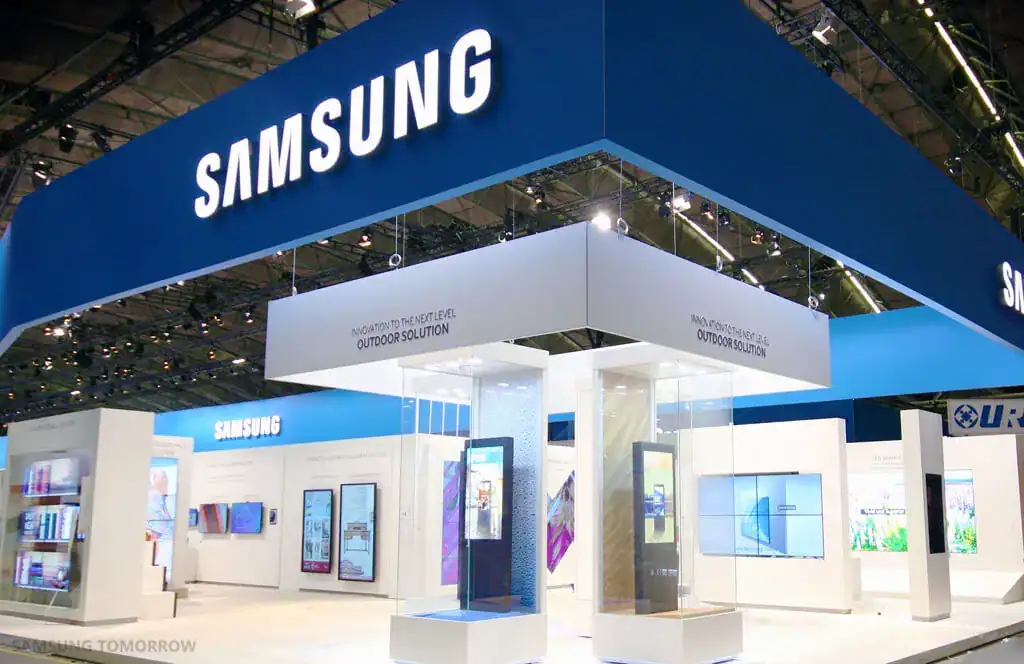
Samsung’s dominance in multiple sectors is evidence of its strategic focus on innovation and quality. The brand excels in smartphones, televisions, home appliances, and semiconductors, which consistently hold significant market shares.
Smartphones: Pioneering the Future
The Samsung success story wouldn’t be complete without mentioning its absolute domination in the smartphone game. Thanks to its ever-evolving Galaxy lineup, Samsung remains the global leader in smartphone shipments. In Q1 2025, it grabbed a solid 20% of the market share, shipping 60.5 million units — just edging out Apple’s 19% (source: Canalys). What keeps Samsung ahead? A killer combo: the flagship Galaxy S series, the budget-friendly Galaxy A series, and its foldables — the Galaxy Z Fold and Z Flip — which continue to turn heads and set trends. Read more: How electronics brands are reshaping retail and e-commerce
In 2024, Samsung took things up a notch with Galaxy AI, a bold move into real-time translation, AI-powered photography, and smarter user experiences (source: Tridens Technology). And yes, the internet took notice. On X (formerly Twitter), fans are already hyping up the upcoming Galaxy S25 — especially its AI features that even hardcore iPhone users are eyeing with curiosity. Another chapter in the ever-evolving Samsung success story, and clearly, they’re not slowing down anytime soon.
| Smartphone Market Share (Q1 2025) | Vendor | Units Shipped (Millions) | Market Share |
|---|---|---|---|
| Samsung | 60.5 | 20% | |
| Apple | 55.0 | 19% | |
| Xiaomi | 41.8 | 14% | |
| Vivo | 22.9 | 8% | |
| OPPO | 22.7 | 8% |
Televisions: A Visual Powerhouse
Samsung has been the world’s leading TV manufacturer for 19 consecutive years, holding a 28.3% market share in 2024 (Samsung Newsroom).
Its focus on premium and large-screen TVs, particularly QLED and OLED models, drives this dominance. In 2024, Samsung sold 1.44 million OLED TVs, capturing a 27.3% share in that segment, a 42% increase from the previous year (Samsung Newsroom).
Innovations like Vision AI, unveiled at CES 2025, personalize viewing experiences, further strengthening Samsung’s position.
Home Appliances: Smart Living Solutions
In the home appliance game, Samsung is a major player — especially in the U.S., where it held a 21% market share in 2023, beating both LG and General Electric (source: ET Retail).
Products like smart fridges, washing machines, and air conditioners connect seamlessly through Samsung’s SmartThings system, making everyday life more connected and convenient.
In India, the competition is tougher, but Samsung remains one of the top names, driven by rapid urban growth and rising disposable incomes (source: Research & Markets).
Explore how fitness trends are influencing consumer technology habits
Semiconductors: Powering the Industry
Samsung is a leading supplier of semiconductors, including memory chips and components, to companies such as Apple and Sony. It dominates the global NAND flash memory market with over 30% share (Statista). Despite delays in projects like its Texas chip plant, Samsung remains a critical player in the semiconductor industry.
Marketing Strategies: Innovation Meets Engagement
Samsung’s marketing approach blends cutting-edge technology with consumer engagement that ensures its products resonate with diverse audiences.
Building an Integrated Ecosystem
Samsung’s strategy centers on creating a cohesive ecosystem where devices like smartphones, tablets, smartwatches, and appliances work together through platforms like SmartThings. This connectivity encourages brand loyalty, as users invest in multiple Samsung products for a seamless experience (Business Model Analyst).
Digital and Social Media Engagement
Samsung success story involves digital marketing, social media, and influencer partnerships to connect with consumers. Its “Samsung Celebrates Big Ideas, Small Businesses” campaign, which highlighted how small businesses use Samsung technology, won a Gold award in the 2025 AVA Digital Awards (Samsung Newsroom). X posts reveal enthusiasm for Samsung’s AI-driven features and potential rebranding from “Galaxy” to a new name, indicating a bold marketing shift (X post).
Sustainability Is a Brand Pillar of Samsung’s Success Story
Samsung’s commitment to sustainability enhances its brand image. The “Galaxy for the Planet” initiative aims to eliminate plastics in mobile packaging and achieve zero waste to landfill by 2025 (Samsung Sustainability). The company also targets net-zero carbon emissions by 2050, with its Device eXperience division reaching 93.4% renewable energy use by 2024 (Samsung Newsroom). Campaigns like “#Changes start from small steps” encourage consumer participation in environmental efforts (Samsung Newsroom).
Customer Satisfaction: A Focus on Quality and Service
A big part of the Samsung success story comes down to how much people actually like using their products, especially when it comes to smartphones and home appliances.
By 2024, Samsung topped the U.S. rankings for customer satisfaction in 5G smartphones, getting high marks for product quality, display performance, and customer support (Samsung Newsroom).
Back in 2022, it also led the charts for home appliances and TVs, with strong praise for service, repairs, and product reliability (NKBA).
Samsung has also invested heavily in training its tech teams and building support centers, like its dedicated air conditioning hub in Italy, that shows it’s serious about offering top-tier after-sales care (Samsung Newsroom).
| Customer Satisfaction Rankings (ACSI) | Category | Year | Ranking |
|---|---|---|---|
| 5G Mobile Devices | Product Quality | 2024 | #1 |
| 5G Mobile Devices | Service Quality | 2024 | #1 |
| Home Appliances | Product Quality | 2022 | #1 |
| Televisions | Service Repairs | 2022 | #1 |
Addressing The Challenges and Controversies Behind The Samsung Success Story
Samsung has faced several challenges that have tested its reputation, but it has taken steps to address them.
- Worker Health and Safety In the past, Samsung faced criticism for health issues among semiconductor workers exposed to carcinogenic substances. Protests and legal challenges led to a settlement and a public apology, with Samsung implementing stricter safety measures (Wikipedia).
- Labor Disputes In 2024, Samsung workers in South Korea took industrial action for the first time, demanding better wages (Al Jazeera). This highlights ongoing labor relations challenges that Samsung must navigate.
- Legal and Ethical Issue Chairman Jay Y. Lee faced legal battles over accounting fraud and stock manipulation, though he was acquitted in 2025 (Reuters). Ethical concerns, including potential tax avoidance and environmental impacts, have also drawn scrutiny (Ethical Consumer).
- Design Plagiarism Accusations Samsung has been criticized for copying designs, particularly from Apple, leading to patent lawsuits and public backlash (NamuWiki). Despite this, Samsung continues to innovate, as seen in its foldable phones and AI advancements. Samsung’s responses, including settlements, improved safety protocols, and transparency in sustainability reports, demonstrate its commitment to addressing these issues and maintaining consumer trust.
Conclusion: A Brand That Shapes the Future
The Samsung success story isn’t just about numbers or who controls more of the market — it’s about staying ahead, knowing when to adapt, and having the courage to take bold steps.
From the phone in your hand to the fridge in your kitchen, Samsung has become a part of everyday life. Over the years, it’s built a name not just for reliable tech, but for staying fresh and earning the trust of its users.
Also read: The transformation of the Indian aviation market
Of course, no big story comes without rough patches. Samsung has had its fair share of challenges — from workplace issues to ethical scrutiny — but it hasn’t turned a blind eye.
With stronger internal policies and a growing focus on sustainability, it’s shown that growth doesn’t have to come at the cost of responsibility.
The Samsung success story is still unfolding — not just because the brand wants to lead, but because it understands the moment and knows how to show up with something better.
External Sources
Samsung heritage page (official)
Lee Byung‑chul founder profile (Quartr)
Samsung Electronics history (Wikipedia)
South Korea semiconductor industry (Wikipedia)
Samsung ranked a Top‑5 global brand (Samsung Newsroom)
Samsung reshuffles leadership amid 2024 challenges (FT)